

Pacemaker Clinic at Clemenceau Medical Center
Devices such as pacemakers are implanted under the skin and deliver small electrical pulse to maintain your heart beating in rhythm. These devices also monitor your heart beats and function providing valuable data to your cardiologist to help detect and correct irregularities before they become a bigger issue. At CMC Hospital Dubai Cardiology Department, we have a convenient service for pacemaker patients.
One Stop Pacemaker Interrogation & Optimization Clinic
There are thousands of cardiac devices, however it’s likely your device in the UAE has been provided by either Medtronic, Biotronik, Abbott or Boston Scientific.
Regardless of your provider, our Board-Certified Cardiologist provides a one-stop-service who can interrogate, interpret, and optimize your device treatment in our clinic, giving you peace of mind that any device interrogation or progamming is conducted by a Consultant Cardiologist.

What Is a Pacemaker Implantation?
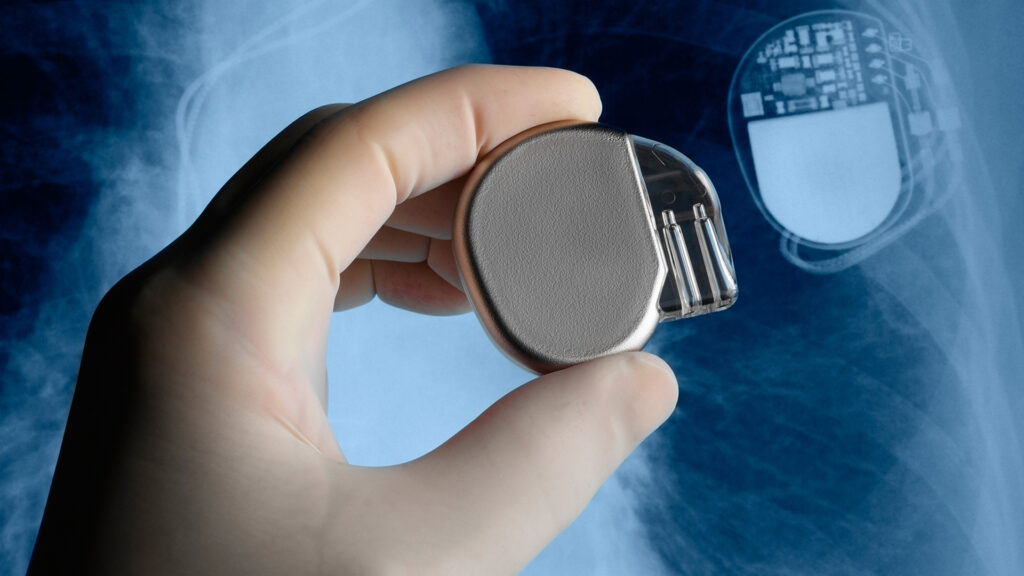
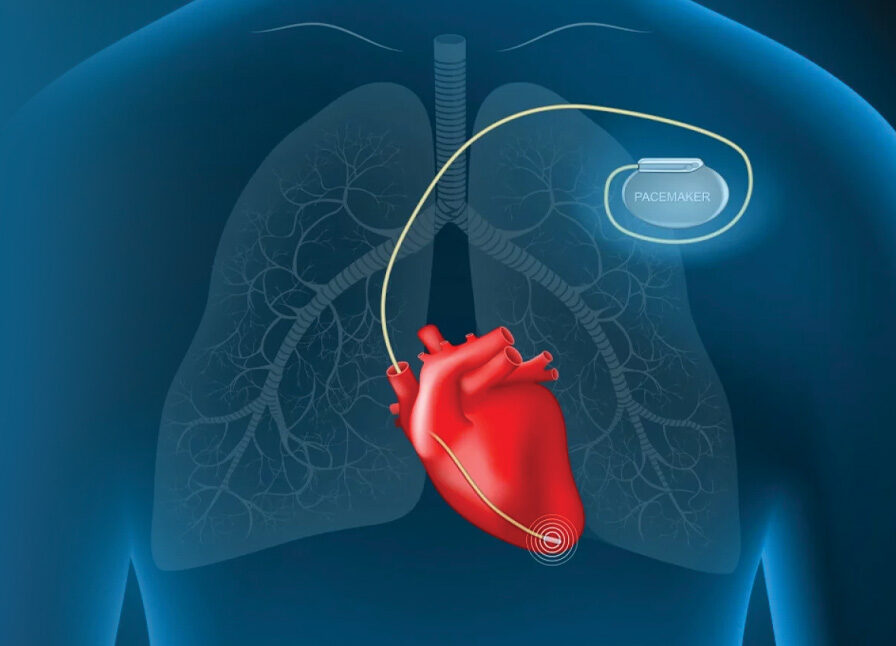
Pacemaker implantation is a medical procedure used to place a small electronic device called a pacemaker inside the chest. A pacemaker helps regulate abnormal heart rhythms by sending electrical signals to the heart, ensuring it beats at a normal and steady rate. The device also records heart rhythm data for ongoing monitoring.
This procedure is commonly recommended for adults with certain heart rhythm disorders.
Who Needs a Pacemaker?
You may need a pacemaker implantation if you experience:
- Slow heart rate (bradycardia)
- Recurrent fainting (syncope)
- Frequent dizziness or light-headedness due to irregular heart rhythm
- Shortness of breath (dyspnea) related to heart problems
Types of Pacemakers
Pacemakers connect to the heart using thin wires called leads. Depending on your condition, one or two leads may be required.
- Transvenous Pacemaker
- Most commonly used type
- Implanted under the skin or muscle of the upper chest
- Leads pass through a vein into the heart
- Epicardial Pacemaker
- Implanted under the skin of the chest or abdomen
- Leads are attached to the outside of the heart
- Usually used in specific medical situations
Before Pacemaker Implantation
Important Information to Share With Your Doctor
Tell your healthcare provider if you have:
- Any allergies
- Current medications (including supplements and herbal products)
- History of reactions to anaesthesia
- Blood or bone disorders
- Previous surgeries or chronic medical conditions
- Pregnancy or possible pregnancy
Risks of Pacemaker Implantation
Pacemaker implantation is generally safe, but possible risks include:
- Infection
- Bleeding or bruising
- Pacemaker or lead malfunction
- Lung collapse (pneumothorax)
- Blood clots
- Heart or blood vessel injury
- Allergic reactions to medications
- Infection of the heart lining (endocarditis)
Your doctor will discuss these risks with you in detail.
Preparation Before the Procedure
Eating & Drinking Guidelines
- 8 hours before: Stop heavy meals (fried or fatty foods)
- 6 hours before: Stop light meals and milk products
- 2 hours before: Stop all clear liquids
Medications
- Ask about stopping or adjusting blood thinners, diabetes medicines, or NSAIDs
- Do not take aspirin unless instructed
- Inform your doctor about all supplements and over-the-counter medicines
Tests Before Surgery
You may undergo:
- ECG (Electrocardiogram)
- Chest X-ray
- Echocardiogram
- Heart rhythm monitoring
- Blood tests
- Genetic testing (if required)
General Instructions
- Avoid smoking or nicotine products for at least 4 weeks
- Follow infection-prevention instructions
- Arrange transportation home
- Have someone stay with you for 24 hours after discharge
During the Pacemaker Implantation Procedure
- An IV line will be placed
- You may receive local anaesthesia, sedation, or general anaesthesia
- The pacemaker and leads are inserted based on the selected type
- Imaging (fluoroscopy) is used to guide lead placement
- The device is tested before closing the incision
- Incisions are closed with sutures, adhesive strips, or skin glue
The procedure typically takes 1–2 hours.
After the Procedure (Hospital Care)
After pacemaker implantation:
- Vital signs are closely monitored
- ECG and chest X-ray are performed
- Pain relief and antibiotics may be given
- The pacemaker is programmed
- You will receive a pacemaker ID card
Pacemaker Implantation – Aftercare & Recovery
What to Expect After Surgery
It is normal to experience:
- Mild pain or soreness
- Swelling or bruising near the incision
- A small visible or palpable bump where the device isplaced
Home Care Instructions
Medications
- Take medicines exactly as prescribed
- Complete all antibiotics
- Ask if medications affect driving or work
Incision Care
- Keep the dressing intact until advised
- Do not apply creams or ointments near the incision
- Keep the area clean and dry for 2–3 days
- Avoid bathing, swimming, or hot tubs for 7–10 days
- Monitor daily for signs of infection
Activity Restrictions
- Avoid driving until approved by your doctor
- Do not lift objects heavier than 4.5 kg (10 lb)
- Avoid lifting your arm above shoulder level for 6 weeks
- Avoid strenuous arm movements (golf, swimming, tennis)
- Return to work only when cleared by your healthcare provider
Pacemaker & Electrical Safety
Avoid strong electromagnetic fields such as:
- Airport security scanners (carry your pacemaker ID)
- Large generators or power plants
- Welding equipment
Safe tips:
- Hold mobile phones on the opposite side of the pacemaker
- Keep electronic devices at least 30 cm (1 foot) away
Long-Term Pacemaker Care
- Attend regular follow-up appointments
- Use remote monitoring if instructed
- Inform all healthcare providers (including dentists)
- Wear a medical alert bracelet
- Pacemaker batteries last 5–15 years and are replaced when needed
When to Contact Your Doctor
Call your healthcare provider if you experience:
- Sudden weight gain
- Swelling in legs or feet
- Heart palpitations
- Signs of infection
- Fever or chills
Get Emergency Help If You Have:
- Chest pain
- Severe shortness of breath
- Fainting or extreme fatigue

