

During the procedure, a healthcare professional injects a sclerosing agent, usually in liquid or foam form, into the targeted veins. The solution irritates the lining of the veins, causing them to become inflamed. Over time, the treated veins shrink and are gradually reabsorbed by the body. Blood flow is rerouted to healthier veins, improving circulation and reducing the appearance of the varicose or spider veins.
Sclerotherapy is typically performed on an outpatient basis and does not require anesthesia. The procedure can be completed in a doctor’s office or a specialized clinic. The number of treatment sessions required varies depending on the severity of the condition and the number of veins being treated.
After undergoing sclerotherapy, it is common to experience some symptoms and side effects. These can vary among individuals and depend on factors such as the extent of the treatment and the individual’s response to the procedure.
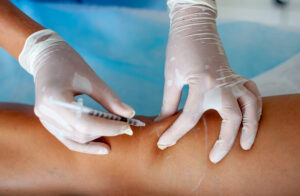
Here are some of the typical symptoms that may occur after sclerotherapy:
- Bruising: Bruising at the injection sites is a common side effect of sclerotherapy. The injected veins may become tender and may develop a bruised appearance. This discoloration usually fades within a few weeks.
- Swelling: Some degree of swelling or inflammation can occur around the treated veins. This is typically mild and temporary, resolving within a few days or weeks.
- Discomfort or pain: It is normal to experience mild discomfort or pain at the injection sites after sclerotherapy. The level of discomfort can vary, ranging from a slight stinging or burning sensation to cramping or aching in the legs. Over-the-counter pain medications may be recommended to alleviate any discomfort.
- Itching: Itching around the treated veins is another common symptom. This is usually temporary and resolves on its own. Avoid scratching the area to prevent any potential complications.
- Skin discoloration: In some cases, the skin around the treated veins may undergo temporary discoloration. This can manifest as a brownish coloration or small spots known as hyperpigmentation. This discoloration typically fades over time but may take a few months to completely disappear.
- Formation of small ulcers: In rare cases, sclerotherapy may lead to the formation of small, superficial ulcers at the injection sites. These ulcers usually heal on their own within a few weeks. It is important to follow any aftercare instructions provided by your healthcare professional to minimize the risk of complications.
- Allergic reactions: Although rare, some individuals may experience allergic reactions to the sclerosing agent used during the procedure. Signs of an allergic reaction may include hives, rash, itching, difficulty breathing, or swelling of the face, lips, or tongue. If you experience any of these symptoms, seek immediate medical attention.
It’s important to remember that while sclerotherapy might reduce the visibility of varicose and spider veins, it cannot stop the growth of new ones. The chance of forming new veins can be decreased by making lifestyle modifications such regular exercise, eating healthfully, and avoiding lengthy periods of sitting or standing.
