
Benign Breast Disease
Benign breast disease is the name given to non-cancerous (benign) conditions in the breast. It is relatively common to develop a lump, cyst or swelling in the breast, and for most women, these are not cancerous. It can be sometimes difficult to tell by feel alone, so it is always best to contact your Healthcare Professional for a full review.
Types of Benign Breast Conditions
Common types of breast conditions include:
- Fibroadenomas: These are solid breast lumps, which are the most common types of breast lumps in younger women.
- Cysts: These are fluid-filled sacs found in the breast and usually occur or change depending on a woman’s monthly menstrual cycle.
- Fibrocystic breast changes: The breast lumps can feel rubbery and hard like scar tissue, most commonly prior to the monthly period.
- Calcification: This is a condition in which tiny calcium deposits appear in the breast tissue.
- Hyperplasia: This involves an overgrowth of the cells lining the milk ducts. If there are any abnormal cells (Atypical hyperplasia), you may require further tests and will require closer follow up as your risk of breast cancer is slightly increased
- Mammary duct ectasia or periductal mastitis: This is when the milk ducts become thickened and sometimes inflamed. It is more common around the time of the menopause and in women who smoke.
- Intraductal papilloma: This is a small wart-like growth in the milk duct which can be single or multiple.
- Fat necrosis: These are types of lumps that form when areas of fatty breast tissue are bruised. It is most common after trauma, surgery or radiation on the breast.
- Adenosis: This is when individual’s breast lobules grow and develop more glands than usual.
What are the symptoms of Benign Breast Disease?
You may notice a change in your breast when checking at home, such as a lump, or notice pain in the breast tissue. Sometimes, benign breast disease can present as a change in the shape or size of the breast, or with nipple changes or nipple discharge (fluid from the nipple).
What causes Benign Breast Disease?
There are several causes of benign breast disease including:
- Hormonal changes, especially related to the menstrual cycle or during pregnancy or menopause
- Medications such as birth control pills and hormonal replacement therapy
- Breast infection, also known as mastitis
- Scar tissue from trauma, surgery or radiation therapy
How to diagnose Benign Breast Disease?
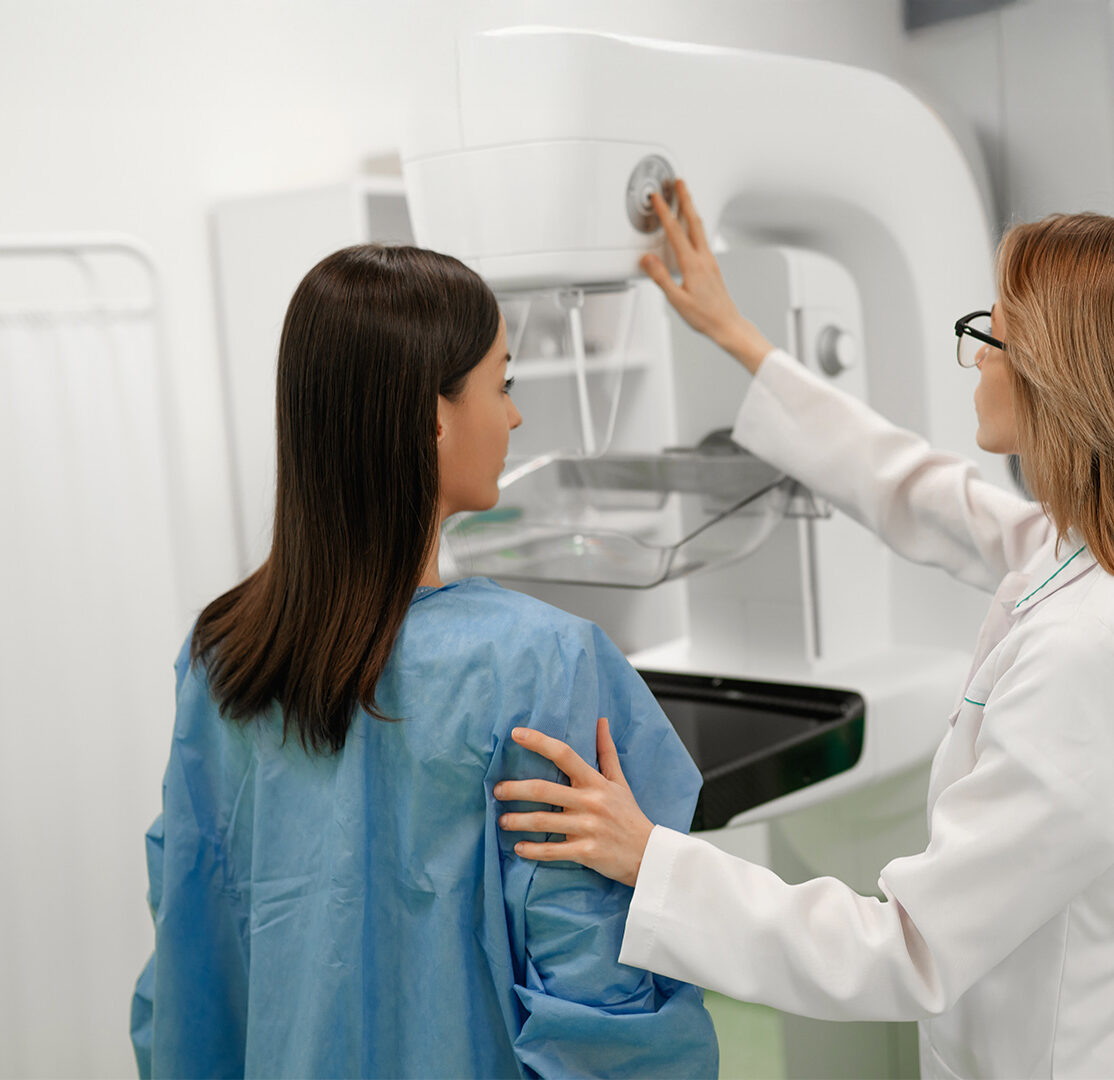
Benign breast disease is usually diagnosed with breast imaging – Mammography, Ultrasound, or Magnetic Resonance scans. It may be necessary to perform image guided biopsy to remove some tissue to confirm the diagnosis.
How is Benign Breast Disease treated?
Most benign breast disease does not require treatment. Your Healthcare Provider will be able to advise you on any specific treatments and follow up plan, depending upon your individual diagnosis.

