Angiogram (Angiography) in Dubai
What Is an Angiogram?
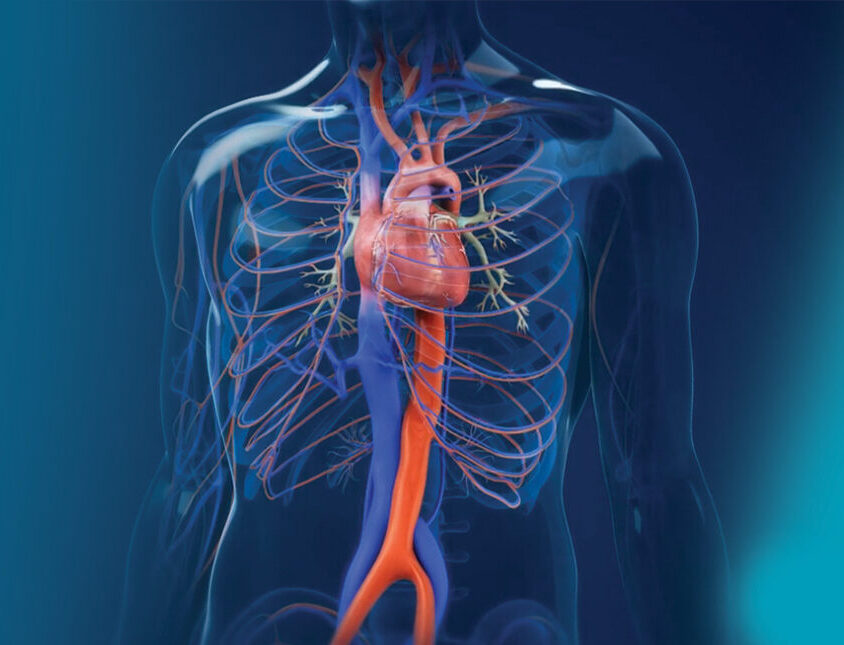
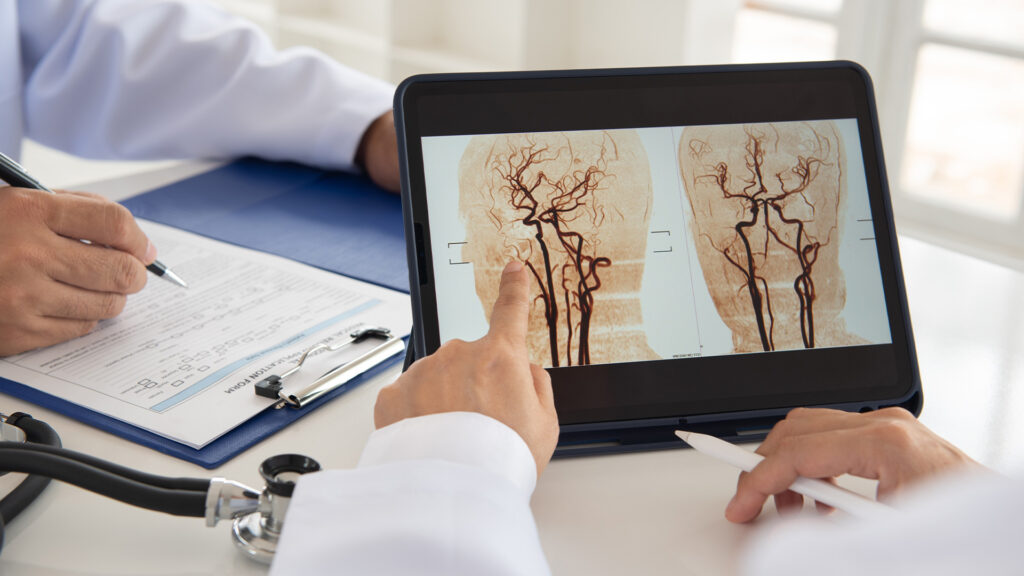
An angiogram, also known as angiography, is a diagnostic medical procedure used to examine blood vessels and arteries. It helps doctors identify blockages, narrowing, or abnormalities in blood vessels that may affect the heart, brain, kidneys, or other organs.
During the procedure, a special contrast dye is injected through a thin tube called a catheter, and X-ray imaging is used to visualize blood flow.
Why Is an Angiogram Done?
Your doctor may recommend an angiogram to:
- Detect blocked or narrowed arteries
- Diagnose heart disease or coronary artery disease
- Identify causes of chest pain, stroke, or poor circulation
- Evaluate blood vessel abnormalities
- Guide further treatments such as angioplasty or stent placement
Where Is the Catheter Inserted?
The catheter may be inserted through:
- Groin (femoral artery) – most common
- Wrist (radial artery)
- Arm near the elbow
Important Information to Tell Your Doctor
Before your angiogram, inform your healthcare provider if you have:
- Allergies (especially to contrast dye, iodine, shellfish, or medications)
- Kidney disease or kidney failure
- Blood disorders
- Previous surgeries
- Chronic medical conditions
- Pregnancy or suspected pregnancy
- Breastfeeding
- Current medications (including blood thinners, diabetes medicines, herbal supplements)
- Any past reactions to anaesthesia
Risks of Angiography
Angiography is generally safe, but possible risks include:
- Bleeding or bruising at the insertion site
- Infection
- Allergic reaction to contrast dye
- Kidney damage from contrast dye
- Blood vessel injury
- Blood clots, stroke, or heart attack (rare)
Your doctor will assess your individual risk before the procedure.
Preparing for an Angiogram
Eating & Drinking Instructions
- 8 hours before: Stop heavy meals (fatty or fried foods)
- 6 hours before: Stop light meals
- 2 hours before: Stop all clear liquids
Hydration
- You may drink clear liquids (water, clear juice, tea or coffee without milk) up to 2 hours before the procedure, unless advised otherwise.
Medications
Ask your doctor about:
- Adjusting or stopping blood thinners or diabetes medications
- Avoiding aspirin or ibuprofen unless approved
- Continuing or stopping supplements and herbal medicines
General Instructions
- Avoid smoking or nicotine products for at least 4 weeks
- Blood tests may be required
- Arrange transportation home
- Have someone stay with you for 24 hours if discharged the same day
What Happens During an Angiogram?
- You will lie on an X-ray table
- An IV line is inserted
- Heart rate and vital signs are monitored
- Local anaesthetic and/or sedative is given
- A small incision is made for catheter insertion
- The catheter is guided using fluoroscopy
- Contrast dye is injected and X-rays are taken
- You may feel warmth or flushing
- The catheter is removed and pressure applied to prevent bleeding
The procedure usually takes 30–60 minutes.
After the Angiogram (Hospital Care)
- Vital signs are closely monitored
- You may need to lie flat for up to 6 hours
- The insertion site and pulse are checked regularly
- You will be encouraged to drink fluids to flush out the contrast dye
- ECG, blood tests, or X-rays may be done
- Do not drive for 24 hours if sedatives were used.
Recovery & Home Care After Angiography
What Is Normal After the Procedure?
- Mild pain or tenderness
- Bruising at the insertion site
- A small lump (hematoma) under the skin.
Insertion Site Care
- Wash hands before and after dressing changes
- Keep the area clean and dry
- Shower after 24–48 hours, as advised
- Do not rub the site
- Avoid baths, swimming, or hot tubs until approved
- Do not apply lotions or powders
Check daily for signs of infection:
- Redness or swelling
- Warmth
- Bleeding or fluid
- Pus or bad smell.
Activity Restrictions
- Do not drive for 24 hours
- Rest for 1–2 days
- Do not lift more than 4.5 kg (10 lb)
- Avoid stairs if the catheter was inserted through the leg
- Resume normal activities after about one week, as advised
When to Contact Your Doctor
Call your healthcare provider if you have:
- Fever or chills
- Increasing pain, redness, or swelling
- Bleeding or fluid from the insertion site
- Increased bruising
Get Emergency Help Immediately If You Have:
- Uncontrolled bleeding or rapid swelling at the insertion site
- Chest pain
- Shortness of breath
- Rash or severe allergic reaction
- Signs of stroke (BE FAST):
- Balance problems
- Eye vision changes
- Facial drooping
- Arm weakness
- Speech difficulty
- Time to call emergency services
Angiogram Services at Clemenceau Medical Center Hospital – Dubai
Clemenceau Medical Center Hospital (CMC) provides advanced angiography and cardiac diagnostic services using state-of-the-art imaging technology and expert specialists in Dubai.