

Although there is no cure for IBD, medication and lifestyle adjustments can frequently help reduce the symptoms. IBD is not to be confused with IBS (Irritable Bowel Syndrome) with is a functional disorder that affects the colon/large intestine
Although the precise cause is unknown, it has been connected to factors like stress, a family history of IBD, oversensitive gut nerves, and how quickly or slowly food passes through the gut.
Symptoms of IBD
- Stomach pain
- Bloating
- Diarrhea
- Constipation
- Flatulence
- Passing mucus from your bottom
- Tiredness and lack of energy
- Nausea
- Backache
- Bowel incontinence
- Problem peeing
Causes and Risk Factors of Irritable Bowel Disease
An abnormally sensitive colon or immune system are examples of potential causes. An earlier bacterial infection in the digestive tract is what causes post-infectious IBD. The condition is challenging to prevent because of the numerous potential causes.
The physical mechanisms underlying IBD can also vary, but they may include:
- Spastic movement of the colon, causing painful cramping
- An imbalance of bacteria in the digestive tract
- Abnormal serotonin. This affects motility and bowel movements.
IBD Risk Factors
- Being female
- Contracting food poisoning
- Being depressed or anxious
- Somatic symptom disorder or neuroticism
Complications of IBD
- Poor quality of life: A good number of people with moderate to severe IBD might not lead satisfactory lives.
- Mood disorders: Having IBD may increase your risk of depression, anxiety, sleep disorder, or bipolar disorder. Depression and anxiety can also make IBD worse.
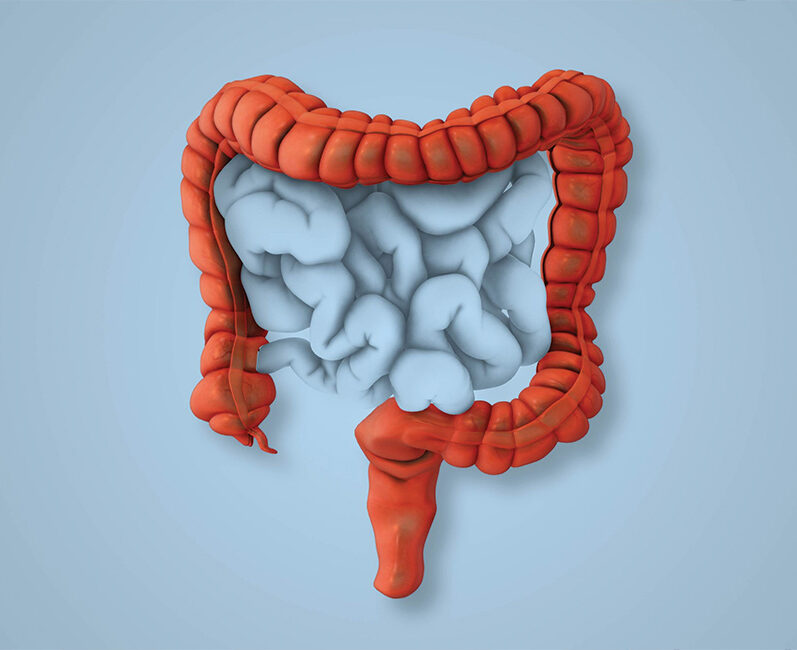
Diagnosis of Irritable Bowel Disorder
Doctors often diagnose IBD based on the patient’s symptoms. To rule out further potential causes of your symptoms, they might additionally do one or more of the following:
- Recommend adopting a certain diet or temporarily avoid eating certain food groups to rule out any potential food allergies
- Examine a sample of your stool to rule out infection
- Have blood tests done to check for anemia and rule out celiac disease
- Perform a colonoscopy
Treatment of IBD
Since there’s no cure for IBD, treatment is often aimed at symptom relief. Your doctor could first advise you to adjust some aspects of your lifestyle. Usually, these natural solutions are recommended before taking any medication.
Medication
Your doctor may recommend medication if symptoms do not improve through remedies like lifestyle or dietary changes. However, you might need to consult your doctor to determine the best prescription for you because different people can react differently to the same medication.
Medication used may include:
- Medications to control muscle spasms
- Anti-constipation drugs
- Antibiotics
- Tricyclic antidepressants to ease pain
Home remedies for IBD
- Eating smaller meals
- Avoiding spicy foods
- Participating in regular physical exercise
- Reducing caffeine consumption since it stimulates the intestines
