

Symptoms of Gastritis
The majority of people with gastritis rarely present any symptoms. However, the most common symptoms, when they appear, include:
- Nausea
- Indigestion
- A feeling of fullness in the upper abdomen after eating
- Vomiting
Causes of Gastritis
Gastritis mostly occurs when weakness in the stomach lining allows digestive juices to damage and inflame it. Therefore, having a damaged stomach lining raises one’s risk of gastritis.
Gastritis can also be brought on by an intestinal bacterial infection. H. pylori, a bacterium that affects the stomach lining, is the most frequent bacterial infection that causes gastritis.
The risk of developing gastritis may be increased by specific circumstances and behaviors. Other risk factors may include:
- Age – the stomach lining naturally thins with age
- Substance abuse
- Tobacco use
- Extreme alcohol consumption
- Regular consumption of NSAIDs such as ibuprofen and aspirin.
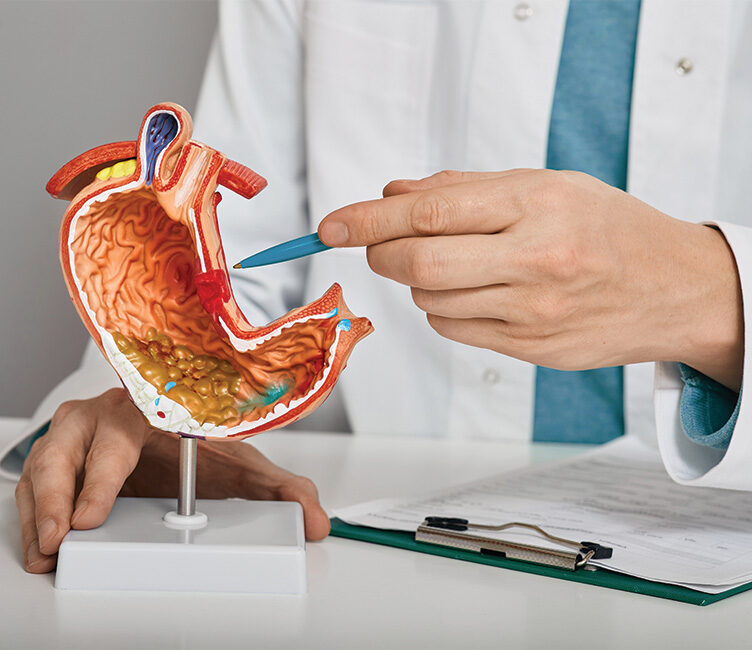
Diagnosis of Gastritis
The doctor will perform a physical exam and inquire about the patient’s symptoms, as well as an evaluation of the family medical history. The following tests may also be recommended:
- Upper GI endoscopy: This test will help the doctor check for inflammation in the esophagus, stomach, and duodenum. A small sample or biopsy may be extracted from the lining of the stomach.
- Blood test: This is done to look for potential problems or other reasons for one’s symptoms of gastritis.
- Upper GI series: The test involves taking X-rays of the patient’s digestive tract after ingesting a barium solution. This will make it easier to identify problem areas.
- Urea breath test: This procedure also checks for an H. pylori infection. The doctor will have the patient swallow a capsule containing urea and then monitors his/her breathing for carbon dioxide atoms.
Treatment of Gastritis
The treatment for gastritis often depends on the cause of the condition.
Doctors frequently use antibiotics to treat H. pylori-related gastritis in order to eradicate the bacterium. Several different types of medication, including antibiotics, are used to treat gastritis. These include:
Proton pump inhibitors: These types of medications work by blocking cells that create stomach acid.
Acid reducing medications: These drugs treat gastritis discomfort and promote the healing of one’s stomach lining by reducing the quantity of acid discharged into the digestive tract.
Probiotics: Probiotics have been proven to aid in gastric ulcer recovery and the restoration of healthy digestive flora. There is, however, no proof that they affect acid secretion in any way.
Complications of Gastritis
If the condition is left untreated, it may lead to a variety of complications which may include the following:
- Bleeding in the stomach
- Anemia
- Peptic ulcers
- Gastric metaplasia and dysphasia
- Perforation of the stomach
- Cancers such as adenocarcinoma
