

The Osteoporosis clinic at CMC is led by a multidisciplinary team of world-class US and western board-certified expert rheumatologists who diagnose, treat, and manage a wide range of osteoporosis and other bone conditions.
The condition frequently progresses painlessly and without any symptoms, and it may not be discovered until bones fracture. However, an individual can take steps to prevent it and treatments are also available.
Causes of Osteoporosis
Osteoporosis can either be primary or secondary, depending on the underlying cause.
Primary Osteoporosis
Primary osteoporosis occurs as a result of natural bone loss whereby an individual’s bones thin and weaken with aging. Factors that may influence one’s risk of osteoporosis include the following:
- Gender
- Body size
- Family history
An individual’s way of life may also have an effect on the strength of his/her bones. You may be at risk of developing osteoporosis if you engage in any of the following:
- Consumption of excessive alcohol
- Living an inactive lifestyle (lack of exercise)
- Taking a lot of coffee, soft drinks, or other caffeine–containing beverages
Secondary Osteoporosis
Secondary osteoporosis occurs as a result of medical conditions that affect bone health. Additionally, some medication, such as steroids, have the ability to reduce or accelerate bone formation.
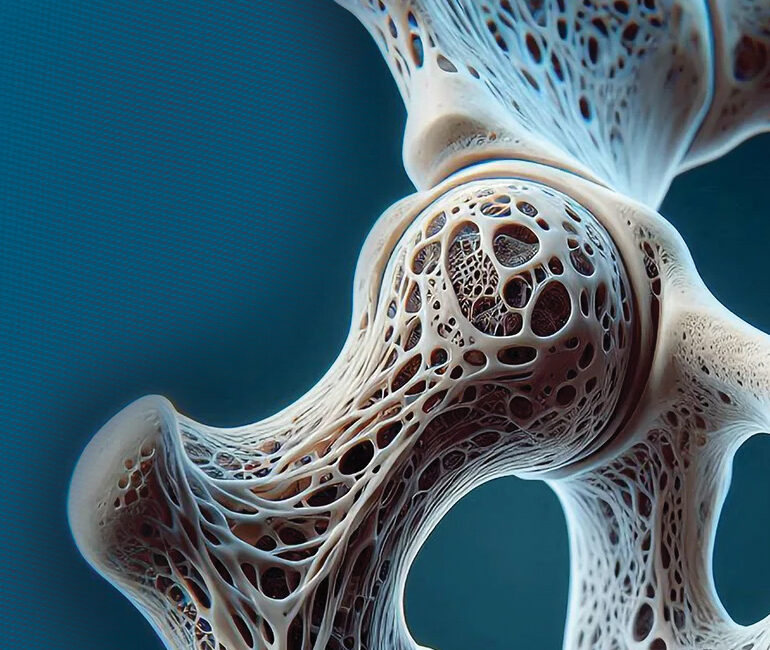
Risk Factors of Osteoporosis
- Long-term use of some medications may result in loss of bone density
- Hyperthyroidism and other conditions that affect the endocrine system
- Premature menopause
- Liver diseases
- Hypogonadism; little or no production of hormones by sex glands
- Gastrointestinal (digestive) tract diseases
When to Visit Osteoporosis Clinic
It is advisable to visit the osteoporosis clinic if you experience symptoms that include:
- Bone fractures
- Pain in the lower back
- Loss of height
- Shortness of breath
- Change in posture
Diagnosis of Osteoporosis
The patient’s bone density can be measured by a machine that uses low levels of X-ray to determine the proportion of mineral in the bones. During this test, the patient lies on a comfortable table as a scanner moves on his/her body. Typically, only a few bones usually the hip and spine are examined.
Treatment of Osteoporosis
Recommendations for treatment are often based on the likelihood that the patient will break a bone in the next 10 years using data tests like the bone density test. If his/her risk isn’t high, the course of treatment may be without medication and instead concentrate on reducing risk factors for bone loss and falls.
The most frequently recommended osteoporosis medications are bisphosphates, which are given to both men and women who are at higher risk of sustaining bone fractures.