

Die wichtigsten Anzeichen dafür, dass Sie einen Urologen in Dubai aufsuchen sollten
Um eine optimale Gesundheit zu bewahren, ist es wichtig, auf den eigenen Körper zu hören und zu erkennen, wann bestimmte Symptome eine fachärztliche Behandlung erfordern. Während Hausärzte hervorragend für die Behandlung alltäglicher Gesundheitsprobleme geeignet sind, erfordern Erkrankungen der Harnwege und des männlichen Fortpflanzungssystems das gezielte Fachwissen eines Spezialisten.
Da sie in einem schnelllebigen Umfeld mit warmem Klima leben, sind die Einwohner der VAE besonders anfällig für bestimmte urologische Erkrankungen, wie beispielsweise durch Dehydrierung bedingte Nierensteine. Wenn Sie unter unerklärlichen Schmerzen, Veränderungen beim Wasserlassen oder Problemen im Bereich der reproduktiven Gesundheit leiden, sollten Sie einen hochqualifizierten Urologen in Dubai sollte für Sie oberste Priorität haben.
Dieser umfassende Leitfaden beleuchtet die wichtigsten Warnzeichen, die darauf hindeuten, dass es an der Zeit ist, einen Termin in einer spezialisierten Urologieklinik in Dubaiist. Wenn Sie diese Symptome frühzeitig erkennen, können Sie eine genaue Diagnose erhalten, Zugang zu fortschrittlichen Behandlungsmethoden gewinnen und Ihre langfristige Gesundheit sowie Ihr Wohlbefinden schützen.
Was genau macht ein Urologe?
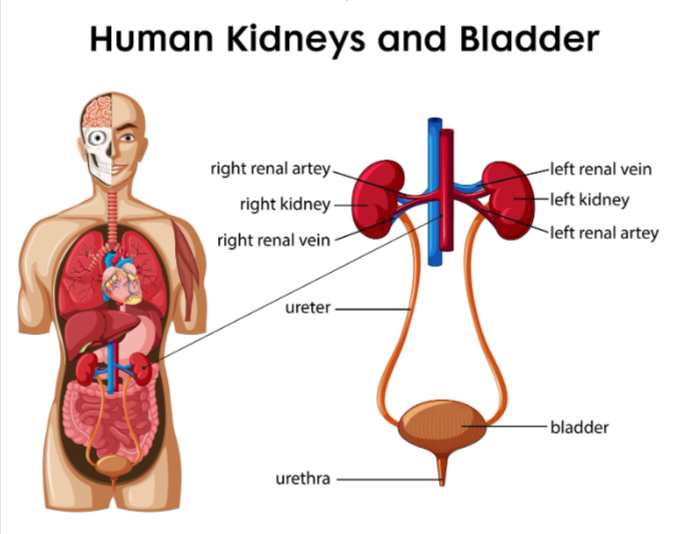
Ein Urologe ist ein hochqualifizierter Arzt und Chirurg, der sich auf die Diagnose, das Management und die Behandlung von Erkrankungen des Urogenitaltrakts spezialisiert hat. Dazu gehören die Nieren, die Harnleiter, die Blase, die Harnröhre und die Nebennieren. Darüber hinaus sind Urologen die ersten Ansprechpartner bei Erkrankungen des männlichen Fortpflanzungssystems, darunter der Prostata, der Hoden und des Penis.
Urologen behandeln ein breites Spektrum an Beschwerden, das von leichten, leicht zu behandelnden Infektionen bis hin zu komplexen chirurgischen Fällen im Bereich der robotergestützten Onkologie reicht. Das Erkennen der folgenden Anzeichen kann Ihnen dabei helfen, zu entscheiden, wann es an der Zeit ist, auf Hausmittel zu verzichten und professionelle medizinische Hilfe in Anspruch zu nehmen.
1. Sie sehen Blut im Urin
Der medizinische Fachbegriff für Blut im Urin lautet Hämaturie, und es handelt sich dabei um ein Symptom, das niemals ignoriert oder als harmlose Anomalie abgetan werden sollte. Eine Hämaturie kann visuell erkennbar sein (makroskopische Hämaturie), wodurch sich der Urin rosa, rot oder cola-farben verfärbt. Alternativ kann sie auch nur unter dem Mikroskop bei einer routinemäßigen Urinuntersuchung nachweisbar sein (mikroskopische Hämaturie).
Selbst wenn Sie nur einmal Blut bemerken und keinerlei Schmerzen haben, ist dies ein wichtiges Anzeichen dafür, dass Sie sich einer umfassenden Untersuchung unterziehen sollten. Zwar kann dies durch etwas so Harmloses wie eine leichte Infektion oder intensive körperliche Betätigung verursacht werden, doch ist es auch ein klassisches Frühwarnzeichen für Nierensteine, Blasenentzündungen oder schwerwiegendere Erkrankungen wie Nieren- oder Blasenkrebs. Ein spezialisierter Urologe wird die erforderlichen bildgebenden Untersuchungen und eine Zystoskopie durchführen, um schwerwiegende Ursachen auszuschließen. Wenn dieses Symptom bei Ihnen auftritt, können Sie mehr über unseren Ansatz zur Diagnose und Behandlung von Hämaturie – Blut im Urin im CMC Dubai.
2. Häufiger oder schmerzhafter Harndrang
Wenn Sie ständig zur Toilette eilen müssen, nachts mehrmals aufwachen, um Wasser zu lassen (Nokturie), oder beim Wasserlassen ein stechendes, brennendes Gefühl verspüren, handelt es sich wahrscheinlich um ein medizinisches Problem, das von einem Urologen untersucht werden sollte.
Diese Symptome sind das typische Merkmal von Harnwegsinfektionen (UTIs), die auftreten, wenn Bakterien in die Harnwege gelangen. Obwohl Harnwegsinfektionen besonders bei Frauen äußerst häufig vorkommen, erfordern häufige oder wiederkehrende Infektionen eine spezialisierte Behandlung, um zu verhindern, dass die Bakterien nach oben wandern und schwere Nierenschäden verursachen. Bei Männern stehen schmerzhaftes und häufiges Wasserlassen häufig im Zusammenhang mit einer Entzündung der Prostata (Prostatitis) oder einer vergrößerten Prostata. Ein Urologe wird eine Kultur anlegen, um die genauen Bakterien zu identifizieren, und eine gezielte statt einer pauschalen Antibiotikatherapie verschreiben.
3. Starke Schmerzen im unteren Rücken, an der Seite oder in der Leistengegend
Plötzliche, qualvolle Schmerzen, die vom Rücken oder von der Seite (Flanke) bis in die Leiste ausstrahlen, sind einer der häufigsten Gründe, warum Patienten eine urologische Notfallversorgung in Anspruch nehmen. Dieses spezifische Schmerzmuster wird oft als einer der stärksten Schmerzen beschrieben, die ein Mensch erleben kann, und ist das klassische Symptom für Nierensteine.
Nierensteine sind harte, mineralisierte Ablagerungen, die sich in den Nieren bilden. Im heißen Klima der VAE erhöht eine unzureichende Flüssigkeitszufuhr das Risiko der Steinbildung erheblich. Wenn sich ein Stein löst und den schmalen Harnleiter hinunterwandert, verursacht er schmerzhafte Krämpfe und Verstopfungen. Wenn Sie unter solchen starken, kolikartigen Schmerzen leiden, die von Übelkeit, Erbrechen oder Fieber begleitet werden, ist eine sofortige Behandlung der Nierensteine unabdingbar. Ein Urologe kann moderne, minimalinvasive Lasertechniken einsetzen, um die Steine sicher zu zerkleinern und zu entfernen.
4. Verlust der Blasenkontrolle oder ungewollter Urinverlust
Harninkontinenz – der unwillkürliche Verlust oder das Auslaufen von Urin – ist eine weit verbreitete Erkrankung, die die Lebensqualität der Betroffenen erheblich beeinträchtigt und zu Verlegenheit sowie sozialem Rückzug führt. Leider glauben viele Menschen fälschlicherweise, dass Inkontinenz lediglich ein normaler, unvermeidbarer Teil des Alterungsprozesses oder der Genesung nach einer Entbindung sei. Das ist jedoch völlig falsch; Inkontinenz ist sehr gut behandelbar.
Es gibt verschiedene Arten von Inkontinenz, darunter Belastungsinkontinenz (Harnverlust beim Husten, Niesen oder Lachen) und Dranginkontinenz (ein überwältigender, plötzlicher Harndrang). Bei Frauen hängt dies häufig mit einer Schwächung der Beckenbodenmuskulatur oder einem Beckenorganvorfallzusammen. Für Patientinnen, die eine spezialisierte Betreuung suchen, steht unsere eigens eingerichtete Klinik für Harninkontinenz bei Frauen diskrete, moderne diagnostische Untersuchungen (Urodynamik) an. Je nach Schweregrad reichen die Behandlungsmöglichkeiten von gezielter Physiotherapie und medikamentöser Therapie bis hin zu minimalinvasiven Beckenbodenoperationen zur Wiederherstellung der normalen Blasenfunktion und des Selbstvertrauens.
5. Schwierigkeiten beim Beginn oder bei der Aufrechterhaltung des Harnstrahls
Mit zunehmendem Alter durchläuft die Prostata eine natürliche Wachstumsphase. Wenn die Prostata jedoch übermäßig an Größe zunimmt, drückt sie gegen die Harnröhre und wirkt dabei wie eine Klemme an einem Schlauch. Dieser Zustand wird als gutartige Prostatahyperplasie (BPH).
Zu den Symptomen einer vergrößerten Prostata zählen Startschwierigkeiten beim Wasserlassen (Schwierigkeiten, den Harnstrahl in Gang zu bringen), ein spürbar schwacher Harnstrahl, ein unterbrochener Harnstrahl sowie das anhaltende Gefühl, dass sich die Blase nach dem Toilettengang nicht vollständig entleert hat. Unbehandelt kann eine schwere BPH zu einer vollständigen Harnverhaltung führen – einem medizinischen Notfall, bei dem Sie überhaupt keinen Urin mehr ablassen können, was rasch zu irreversiblen Nierenschäden führen kann. Ein Urologe kann hochwirksame medikamentöse Therapien oder minimalinvasive chirurgische Eingriffe anbieten, um die Obstruktion zu beseitigen und einen gesunden Harnfluss wiederherzustellen.
6. Erektionsstörungen oder Probleme mit der männlichen Fruchtbarkeit
Auch wenn es sich um ein heikles Thema handeln mag, ist die erektile Dysfunktion (ED) eine Erkrankung, die eine fachärztliche Abklärung erfordert und kein Grund zur Verlegenheit ist. Unter ED versteht man die anhaltende Unfähigkeit, eine für den Geschlechtsverkehr ausreichende Erektion zu erreichen oder aufrechtzuerhalten. Es ist wichtig zu wissen, dass ED oft ein Frühwarnzeichen für zugrunde liegende systemische Gesundheitsprobleme wie Herz-Kreislauf-Erkrankungen, Bluthochdruck oder Diabetes ist.
Ein Urologe bietet ein sicheres, vertrauliches Umfeld, um Fragen der männlichen sexuellen Gesundheit zu besprechen. Er kann die Ursache ermitteln – sei sie nun vaskulärer, neurologischer, hormoneller oder psychologischer Natur – und eine Reihe wirksamer Behandlungsmethoden anbieten, die von oralen Medikamenten bis hin zu modernen Therapien reichen. Darüber hinaus sind Urologen die ersten Ansprechpartner für die Abklärung und Behandlung männlicher Unfruchtbarkeit, die Analyse der Spermienqualität, die Untersuchung auf Varikozelen (vergrößerte Venen im Hodensack) sowie die Behandlung von Hormonstörungen.
7. Ein Knoten, eine Schwellung oder Schmerzen in den Hoden
Männer sollten regelmäßig eine Selbstuntersuchung der Hoden durchführen, ähnlich wie Frauen eine Brustselbstuntersuchung durchführen. Jeder neu festgestellte Knoten, jede Verhärtung oder jede auffällige Veränderung der Größe oder Form der Hoden erfordert eine dringende Untersuchung durch einen Urologen.
Zwar sind viele Hodentumoren gutartig – wie beispielsweise Zysten (Spermatocelen) oder Flüssigkeitsansammlungen (Hydrozelen) –, doch ist ein schmerzloser, fester Knoten das häufigste Symptom von Hodenkrebs. Hodenkrebs ist bei frühzeitiger Erkennung sehr gut heilbar. Wenn Sie irgendwelche Auffälligkeiten bemerken, warten Sie nicht ab, ob sich diese von selbst zurückbilden. Eine umgehende Ultraschalluntersuchung und Abtastung kann Ihnen Sicherheit geben oder lebensrettende Maßnahmen einleiten Behandlung von Hodenkrebseinleiten. Darüber hinaus können plötzliche, unerträgliche Schmerzen im Hoden auf eine Hodentorsion hindeuten, einen chirurgischen Notfall, bei dem die Blutversorgung unterbrochen ist und ein sofortiger Eingriff erforderlich ist, um den Hoden zu retten.
8. Unerklärliche Schmerzen im Beckenbereich
Chronische Beckenschmerzen sind ein komplexes Symptom, das sowohl Männer als auch Frauen betrifft und verschiedene urologische Ursachen haben kann. Bei Männern stehen anhaltende Schmerzen im Perineum (dem Bereich zwischen Hodensack und Enddarm), im Unterbauch oder im unteren Rücken oft im Zusammenhang mit einer chronischen Prostatitis (Entzündung der Prostata) oder einer Funktionsstörung der Beckenbodenmuskulatur.
Bei Frauen können chronischer Druck im Beckenbereich, Schmerzen oder ein Gefühl von Schwere auf eine interstitielle Zystitis (ein schmerzhaftes Blasensyndrom) oder einen Organvorfall hinweisen, bei dem die Blase in den Scheidenraum absinkt. Da Beckenschmerzen verschiedene Ursachen haben können – von gastrointestinalen bis hin zu gynäkologischen –, ist ein Urologe unerlässlich, um Ursachen zu identifizieren und zu behandeln, die spezifisch mit den Harnwegen zusammenhängen.
9. Erhöhte PSA-Werte
Das prostataspezifische Antigen (PSA) ist ein Protein, das sowohl von normalen als auch von bösartigen Zellen der Prostata gebildet wird. Ein PSA-Bluttest ist ein wichtiges Instrument zur Früherkennung von Prostatakrebs. In medizinischen Leitlinien wird Männern im Allgemeinen empfohlen, ab dem 50. Lebensjahr mit ihrem Arzt über regelmäßige PSA-Untersuchungen zu sprechen, bzw. bereits ab dem 40. Lebensjahr, wenn Prostatakrebs in der Familie vorkommt oder andere Risikofaktoren vorliegen.
Sollte bei einer routinemäßigen Blutuntersuchung ein erhöhter PSA-Wert festgestellt werden, wird Ihr Hausarzt Sie an einen Urologen überweisen. Ein erhöhter PSA-Wert bedeutet nicht automatisch, dass Sie Krebs haben; er kann auch durch eine vergrößerte Prostata (BPH), eine Entzündung oder eine kürzlich durchgemachte Infektion verursacht werden. Ein Urologe wird eine digitale rektale Untersuchung (DRE) durchführen und möglicherweise moderne MRT-Verfahren oder eine gezielte Biopsie einsetzen, um die genaue Ursache für den erhöhten Wert zu ermitteln.
10. Diagnose oder Verdacht auf urologische Krebserkrankungen
Sollte Ihr Hausarzt aufgrund erster bildgebender Untersuchungen oder Laborbefunde den Verdacht auf eine bösartige Erkrankung hegen, ist eine unverzügliche Überweisung an einen spezialisierten Urologen unerlässlich. Die urologische Onkologie befasst sich mit Krebserkrankungen der Nieren, der Blase, der Prostata, der Hoden und der Nebennieren.
In einem Spitzenkrankenhaus setzen Urologen modernste robotergestützte Chirurgie ein, um Tumore präzise zu entfernen, Schäden am umliegenden Gewebe zu minimieren und die Genesung der Patienten zu beschleunigen. Wenn bei Ihnen eine komplexe Diagnose gestellt wurde, sollten Sie sicherstellen, dass Sie von einem multidisziplinären Team betreut werden, das für die moderne Behandlung von Urogenitalkrebs ausgestattet ist, entscheidend, um die bestmöglichen onkologischen Ergebnisse zu erzielen.
Warum sollten Sie sich für CMC als Ihre Urologie-Klinik in Dubai entscheiden?
Wenn es um Ihre urologische Gesundheit geht, machen Fachkompetenz, modernste Technologie und einfühlsame Betreuung den entscheidenden Unterschied aus. Das Clemenceau Medical Center (CMC) in Dubai verfügt über eine der modernsten und umfassendsten urologischen Abteilungen der Region.
Unser Team aus international zertifizierten Urologen verfügt über jahrzehntelange Fachkompetenz in der Behandlung sowohl routinemäßiger als auch hochkomplexer Erkrankungen des Urogenitaltrakts. Das CMC Dubai gilt als führend auf dem Gebiet der robotergestützten urologischen Chirurgie und bietet beispiellose Präzision bei Prostatektomien, Nierenoperationen und Blasenrekonstruktionen.
Von modernsten Einrichtungen für urodynamische Untersuchungen bis hin zu minimalinvasiven Lasertherapien bei Harnsteinen und Prostatavergrößerung – wir verfolgen einen ganzheitlichen Ansatz, bei dem der Patient im Mittelpunkt steht. Wenn Sie sich für das CMC Dubai entscheiden, wählen Sie eine Einrichtung, die Wert auf schnelle Diagnosen, evidenzbasierte Behandlungen und langfristiges urologisches Wohlbefinden legt.
Häufig gestellte Fragen
Frage 1: Benötige ich eine Überweisung von einem Hausarzt, um einen Urologen in Dubai aufzusuchen?
Zwar verlangen manche Krankenversicherungen möglicherweise eine Überweisung durch einen Hausarzt, um die Kosten für einen Facharztbesuch zu übernehmen, doch ist dies nicht immer medizinisch notwendig. Sie können direkt einen Termin bei einem Urologen im CMC Dubai vereinbaren, wenn Sie unter bestimmten Symptomen im Bereich der Harnwege oder der Fortpflanzungsorgane leiden, die eindeutig eine fachärztliche Behandlung erfordern.
Frage 2: Was erwartet mich bei meinem ersten Besuch in einer urologischen Praxis?
Bei Ihrem ersten Termin wird der Urologe eine ausführliche Anamnese erstellen und Ihnen gezielte Fragen zu Ihren Symptomen, Ihren Toilettengewohnheiten und Ihrem Lebensstil stellen. Wahrscheinlich werden Sie gebeten, eine Urinprobe abzugeben; daher ist es ratsam, mit einer angenehm gefüllten Blase zum Termin zu erscheinen. Je nach Ihren Symptomen führt der Arzt möglicherweise auch eine gezielte körperliche Untersuchung durch und empfiehlt eine Ultraschalluntersuchung vor Ort, um Ihre Blase und Ihre Nieren zu untersuchen.
Frage 3: Ist Blut im Urin immer ein Anzeichen für Krebs?
Nein, Blut im Urin ist nicht immer ein Anzeichen für Krebs. Tatsächlich sind die häufigsten Ursachen Harnwegsinfekte, Nierensteine oder eine vergrößerte Prostata. Da es jedoch es ein Frühsymptom von Blasen- oder Nierenkrebs sein kann, gilt es als „Warnzeichen“, das eine gründliche Untersuchung durch einen Urologen erfordert, um bösartige Ursachen sicher auszuschließen.
Frage 4: Wie kann ich die Bildung von Nierensteinen verhindern?
Der wirksamste Weg, Nierensteinen vorzubeugen – insbesondere im heißen Klima der Vereinigten Arabischen Emirate –, besteht darin, den Flüssigkeitshaushalt durch das Trinken von reichlich Wasser über den Tag verteilt optimal aufrechtzuerhalten. Ihr Urin sollte hellgelb oder klar sein. Je nach der Art der Steine, zu deren Bildung Sie neigen, kann ein Urologe Ihnen möglicherweise auch Ernährungsumstellungen empfehlen, wie beispielsweise die Reduzierung der Natrium- und tierischen Eiweißzufuhr sowie eine ausgewogene Kalziumzufuhr.
Frage 5: Werden Harninkontinenzerkrankungen immer operativ behandelt?
Auf keinen Fall. Die Behandlung von Inkontinenz beginnt immer mit den konservativsten, nicht-invasiven Optionen, die zur Verfügung stehen. Ein Urologe kann Beckenbodenübungen (Kegel-Übungen), Techniken zum Blasentraining, Ernährungsumstellungen (Vermeidung von blasenreizenden Substanzen wie Koffein) und bestimmte Medikamente zur Beruhigung einer überaktiven Blase empfehlen. Ein chirurgischer Eingriff wird in der Regel erst dann in Betracht gezogen, wenn konservative Maßnahmen keine ausreichende Linderung bringen.
Frage 6: Ab welchem Alter sollten Männer zur Vorsorgeuntersuchung der Prostata einen Urologen aufsuchen?
Allgemein wird Männern empfohlen, ab dem 50. Lebensjahr einen PSA-Bluttest zur Erstuntersuchung sowie eine Prostatauntersuchung durchführen zu lassen. Wenn Sie jedoch eine familiäre Vorbelastung für Prostatakrebs haben oder afrikanischer Abstammung sind, gelten Sie als Risikopatient und sollten bereits im Alter von 40 oder 45 Jahren mit einem Urologen über Vorsorgeuntersuchungen sprechen.
